Real-world insights from integrated clinical data
OncoLens partners with cancer centers under appropriate data sharing agreements to help you answer how best to drive research, education and market access.

How OncoLens helps
How cancer is being treated today
- Current treatment patterns drawn from integrated clinical records, not claims alone
- Cut by tumor type, line of therapy, biomarker status, and care setting
- Community and academic practice, side by side
Gaps to evidence-based guidelines
- Care measured against Elsevier’s ClinicalPath, a CMS-recognized, ASCO-approved standard
- See where real-world care follows the evidence, and where it does not
- Separate structural or coverage barriers from legitimate clinical discretion
Benchmarking studies
- Compare practice across centers, regions, and peer groups
- Benchmark against guidelines and against network norms
- Give partners and sponsors a clear view of where they stand
Why the decision was made
- Biomarker rationale, treatment reasoning, and progression notes live in free text
- An estimated 88% of clinically meaningful detail sits in notes and pathology reports
- OncoLens extracts it at scale, so analysis is not limited to structured EHR fields
Evidence built for dossiers and contracts
- Findings that carry weight in a payer conversation
- OncoLens builds evidence for payer and value dossiers
- You sharpen targeting for value-based and outcomes-based contracts
Studies shaped to your question
- Bring the research question; OncoLens scopes the study with partner centers
- Built on the same integrated data and governance
- Delivered for RWE, HEOR, market access, and clinical development teams
Frequently asked questions
Where does this data come from?
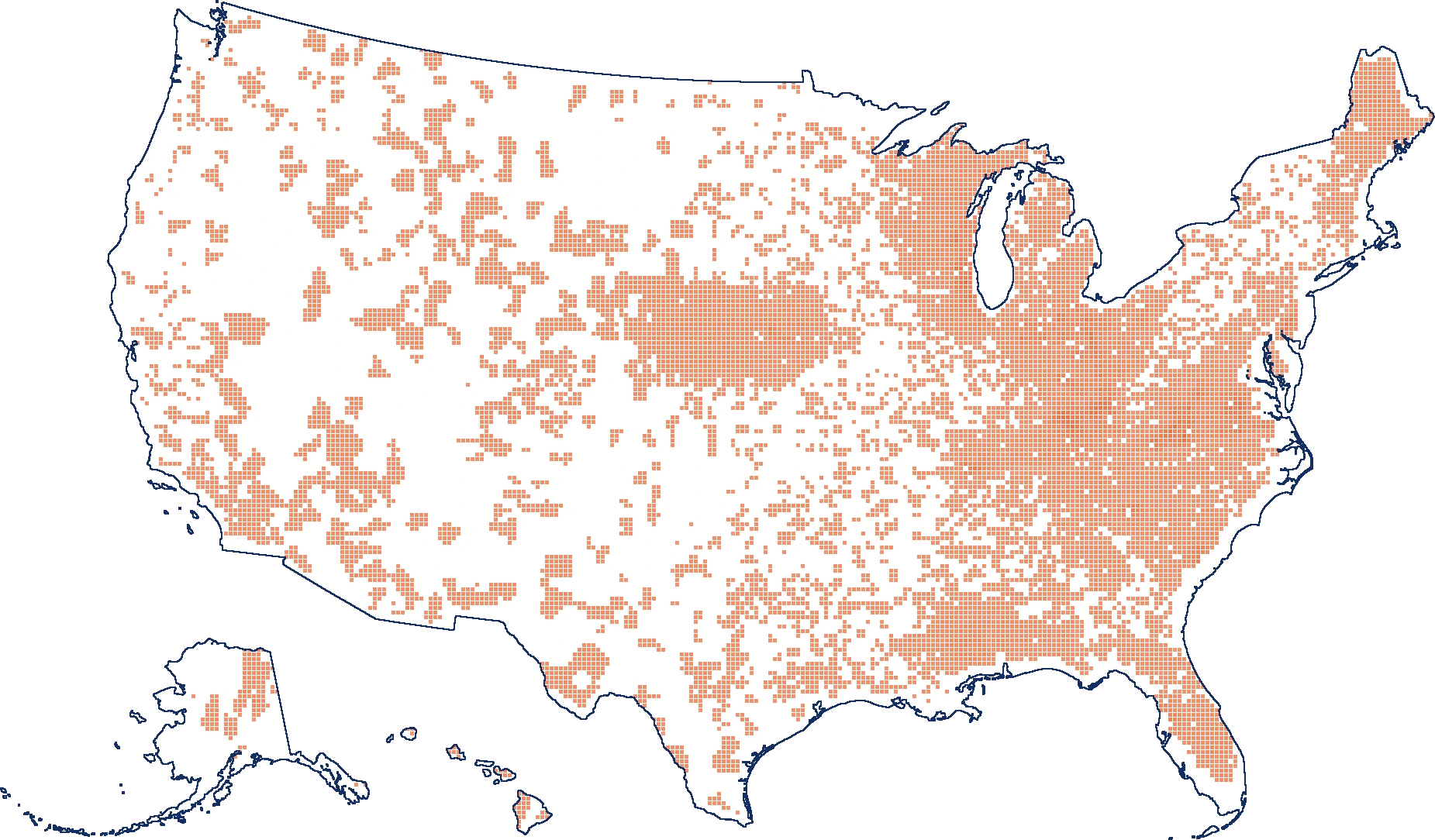
From clinical data integrated with OncoLens’s partner cancer centers, community and academic, and shared under BAAs and data sharing agreements. Because it is captured where care decisions are made, it reflects clinical context that claims data alone cannot.
What can you study with it?
Current practice patterns, gaps to evidence-based guidelines, benchmarking across centers and peer groups, the rationale behind treatment decisions, and evidence for payer and value work. Guideline concordance is one lens among several, and studies can be scoped to a specific research question.
What guideline standard is used for gap analysis?
Elsevier’s ClinicalPath, a CMS-recognized evidence pathway and ASCO-approved quality guideline, giving guideline-concordance findings a credible, third-party-validated reference point.
What’s the difference between guideline concordance and simple treatment pattern reporting?
Treatment pattern reporting describes what happened. Guideline concordance analysis compares what happened against an evidence-based standard, showing not just variation but whether that variation represents divergence from recommended care.
How does this data separate access barriers from clinical judgment?
By comparing real-world treatment decisions against guideline recommendations in context, the analysis can help distinguish cases where care diverged due to structural or coverage barriers from cases reflecting legitimate clinical discretion.
Where does unstructured-data extraction fit into this?
Much of the clinical detail behind practice patterns, treatment rationale, and guideline concordance, including biomarker rationale, treatment reasoning, and progression notes, lives in unstructured text. OncoLens extracts that detail at scale so analysis is not limited to what is captured in structured EHR fields.
Who uses this evidence, and for what?
Real-world evidence teams use it for practice pattern, benchmarking, and guideline-gap studies. Market access and HEOR teams use it to build payer and value dossiers and sharpen value-based contract targeting. Clinical development teams use it to inform trial design.
Bring us your research question
Tell us the tumor type, therapy, or pathway you care about. OncoLens will show you how it is being treated today, how practice compares with the guidelines and with peers, and what that means for your evidence strategy.