

For cancer programs and life sciences partners

The OncoLens Research Network

Connecting cancer care and innovation

ORN brings cancer programs and pharma, biotech, and CRO partners together around real-world data, quality improvement, and industry-sponsored trials. Every opportunity is vetted for fit before anyone commits, and OncoLens supports from patient identification through reporting.

Cancer programs gain new research and revenue opportunities. Life sciences partners reach the right sites and the right patients, faster, under appropriate business associate and data sharing agreements.
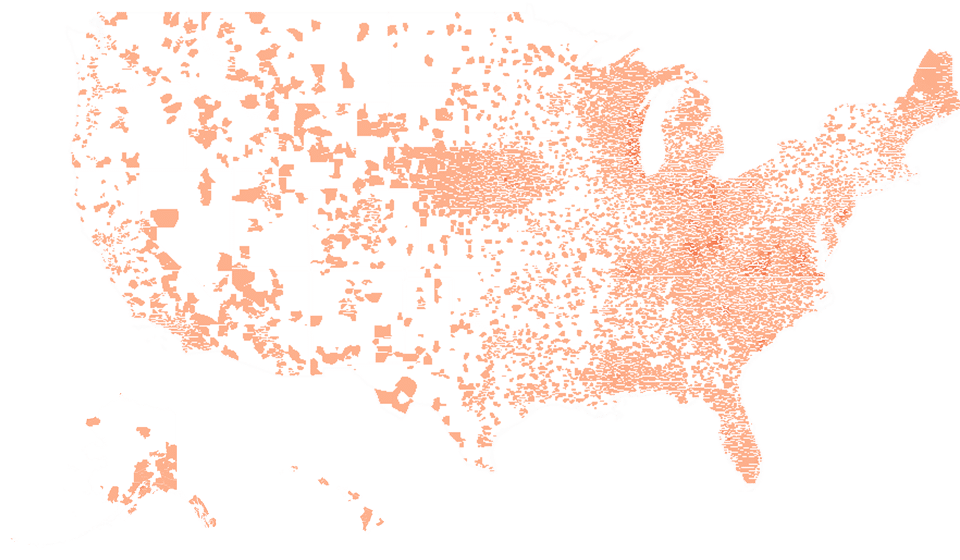
County-level map showing where patients under care in the OncoLens Research Network are concentrated across the contiguous United States, with Alaska and Hawaii shown as insets
Network footprint Where patients under care are concentrated

The OncoLens Research Network at a glance

225+U.S.-based cancer center locations
6,000,000+patients under care
410,000+multidisciplinary case discussions
88%of actionable data is unstructured

How an initiative moves through the network

One shared path, with a clear role for each side. OncoLens acts as the connector, the analyst, and the business development arm in between.

  1. Step 1

    A program takes shape

    Life sciences partners bring a study, data need, or quality initiative. Cancer programs share their goals, patient mix, and capacity.

  2. Step 2

    Pre-feasibility first

    OncoLens analyzes each opportunity against real patient populations and operational capacity before it is presented to anyone.

  3. Step 3

    The right populations matched

    OncoLens connects requirements to the best partners, helping provide the depth and scale needed.

  4. Step 4

    Execution and reporting

    Data analytics, reporting, and pre-screening are done through OncoLens systems, minimizing manual or resource input from the sponsor or cancer center.

Integrated research modalities

ORN supports the full spectrum of research and improvement work. Here is what each one means on both sides of the network.

Initiative type For cancer programs For life sciences partners
Real-world data (RWD) See trends, outcomes, and disparities in your own population, drawn from structured and unstructured data, and take part in sponsored studies. Real-world evidence from a diverse network of community and academic sites, including detail that lives only in pathology, radiology, and clinical notes.
Quality improvement (QI) Drive compliance, standardize care across sites, and benchmark performance against peer programs. Support guideline-concordant testing and treatment, such as biomarker testing, with measurable change at the site level.
Industry-sponsored trials Bring cutting-edge therapies to your patients and add sponsored revenue, without building a new research operation. Find sites with eligible patients, and reach those patients through pre-screening and navigator alerts already built into care workflows.
oncology care team
For cancer programs

Why join the network

  • Improve outcomes through precision research

    RWD, guideline prompts, and targeted enrollment match patients earlier and more accurately.

  • Unlock new revenue through sponsored programs

    Take on industry partnerships aligned with your population, capacity, and growth strategy.

  • Streamline trial operations

    Automated pre-screening, dashboards, and navigator alerts connect workflows across teams and reduce administrative load.

  • Raise your program’s visibility

    Achieve accreditation goals, and show quality and outcomes to leadership, partners, and patients.

clinical trials
For life sciences partners

Why partner through the network

  • Reach sites that fit before you commit

    Pre-feasibility analysis is grounded in each site’s actual patient population and operational capacity.

  • Find the patients others miss

    AI-powered identification surfaces patients with rare mutations, misdiagnoses, or unmet needs.

  • See the full patient record

    Insight from unstructured pathology, radiology, and clinical notes, not just data found in claims.

  • Work inside existing care workflows

    Programs run through the tumor board and navigation tools sites already use every day, in alignment with our centers.

Prior strategic initiatives

OncoLens is actively running high-impact programs with leading cancer centers and industry partners. Examples include:

HER2 testing
Testing and treatment

HER2-targeted testing and treatment in breast cancer

Supporting adoption of HER2-low testing protocols and expanding access to emerging targeted therapies.

biomarker testing compliance
Quality improvement

Biomarker testing compliance

Improving adherence to NCCN and ASCO guidelines with automated prompts, dashboard tracking, and navigator alerts.

infusion therapy
Sponsored trials

Radioligand therapy trials

Identifying and enrolling patients for radioligand therapy trials in prostate and neuroendocrine tumors.

patient journey mapping
Real-world data

Prostate cancer patient journey mapping

AI-powered dashboards that visualize care pathways, pinpoint delays, and optimize treatment sequencing.

What sets ORN apart

Most research networks hand off a list and step back. ORN stays in the work on both sides, from first fit check to final report.

Curated opportunities, not cold outreach

In-depth pre-feasibility analysis comes before any opportunity is presented, so sponsors and sites only see programs aligned with patient population, operational capacity, and strategic goals.

End-to-end support

From pre-screening and patient identification to analytics and reporting, OncoLens carries the administrative load while driving clinical and financial impact.

Hyper-targeted patient identification

AI-powered tools, with a human in the loop, find patients with rare mutations, misdiagnoses, or unmet needs, so no one is missed for a potentially life-saving therapy.

Frequently asked questions: OncoLens Research Network

What is the OncoLens Research Network?

ORN is a collaborative oncology research network that connects cancer programs on the OncoLens platform with pharma, biotech, and CRO partners for real-world data, quality improvement, and industry-sponsored trial programs.

How are opportunities matched to cancer programs?

OncoLens runs a pre-feasibility analysis on every opportunity, looking at patient population, operational capacity, and strategic goals, before presenting it to a site.

How does patient identification work?

AI-powered pre-screening reads structured EHR fields along with unstructured pathology, radiology, and clinical notes. Every patient-identification service includes a human in the loop to support care teams.

Which EHRs does OncoLens integrate with?

OncoLens integrates with Epic, Oracle Health (Cerner), MEDITECH, athenahealth, and OncoEMR.

How do life sciences companies get started?

Start with a discovery call. OncoLens follows with a pre-feasibility snapshot, then aligns data requirements, timelines, success metrics, and reporting cadence.

Get in touch

Ready to explore what ORN can do for you?

Whether you run a cancer program or a research portfolio, tell us your goals and near-term priorities. We will map initiatives that fit and outline a path to launch.

  1. Discovery call and pre-feasibility snapshot
  2. Data requirements and timeline alignment
  3. Success metrics and reporting cadence