Reduce uncertainty from feasibility through enrollment.
From first feasibility questions to first patient enrolled, OncoLens pairs a community-weighted site network with oncology-specific AI pre-screening, so your team is acting on real fit, not assumptions.
How OncoLens helps
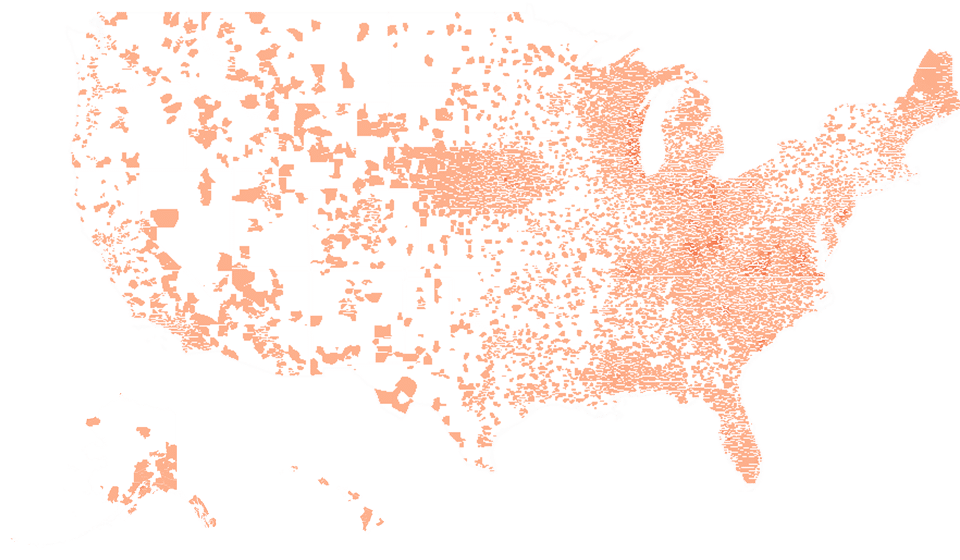
Three ways OncoLens moves a trial from feasibility to first patient enrolled. The OncoLens Research Network spans 225+ U.S. cancer center locations, 90% of them community-based, covering more than 6,000,000 patients under care.
OncoLens identifies trial-ready oncology sites from a 225+ center network
- Sites come from the OncoLens Research Network
- Phase 1 to Phase 3 compatible. 225+ sites, 90% community-based.
- Feasibility-based connections to centers, through Patient ID and Site ID
- Introductions to centers and PIs
OncoLens AI pre-screens oncology patients against your protocol criteria
- The model is built for the complexities of oncology, using Signal-Based Action
- A service and a platform: turnkey-ready dashboards and personalized alerts, with a human in the loop
- OncoLens returns the number medically eligible, how many were randomized or declined, and the reason behind each
OncoLens puts trial awareness in front of treating physicians
- OncoLens delivers trial awareness to care teams through its platform and educational campaigns
- Direct-to-cancer-center alerts and triggers, so a trial reaches physicians at the decision point
- Targeted, data-driven omnichannel outreach across the life of the trial
What comes back to you
Every match is confirmed by a clinical team before it reaches you. On each trial you get who is medically eligible, whether they were randomized or declined, and the reason behind each.
Medically eligible
- Prior therapy
- Disease stage
- Performance status
- Biomarker status
- Social drivers of health
- Timeliness
Case studies
Results and complexities from real oncology trials.

Oncology-Focused AI/LLM To Find the Right Patients for Clinical Trials
Specialized AI and NLP streamline patient identification for oncology trials, including DLBCL and LUNGMAP studies, cutting manual chart-review time while improving match speed and precision.
Read the full case study →
A New Era in Trial Matching: Real-Time Oncology Data to Drive Enrollment
A Wisconsin-based IDN’s stalled prostate cancer trial went from zero enrollments to five new patients identified in the first review, with a first patient enrolled within one week.
Read the full case study →Frequently asked questions
How does OncoLens help identify the right clinical trial sites for an oncology study?
OncoLens connects sponsors and CROs to the OncoLens Research Network, covering 225+ cancer center locations, 90% of them community-based, spanning Phase 1 through Phase 3 studies. Rather than a generic site list, OncoLens makes feasibility-based connections and introductions to the specific centers and principal investigators positioned to meet a protocol’s patient population and enrollment timeline.
Can OncoLens support trials beyond large academic cancer centers?
Yes, 90% of the OncoLens Research Network is community-based, reflecting where most oncology patients are actually treated. This gives sponsors access to site and patient populations that academic-only networks miss, which is especially valuable for enrollment diversity and real-world reach.
How does OncoLens’s AI patient pre-screening work, and does it replace clinical judgment?
OncoLens applies oncology-focused AI to pre-screen patients against trial eligibility criteria, surfacing potential matches through turnkey dashboards and personalized alerts. A human is always in the loop to review and confirm matches, so sites and study teams retain clinical judgment while reducing the manual burden of screening.
What visibility does OncoLens provide into why patients are or aren’t enrolling?
OncoLens provides analytics on trial eligibility and decline reasons, giving clinical development teams a clearer view into where candidates are lost in the funnel: at screening, eligibility, or enrollment, so recruitment bottlenecks can be addressed earlier.
What is EMR-based patient pre-screening?
EMR-based pre-screening reads structured and unstructured data in a patient’s medical record, including pathology, labs, and progression notes, against a trial’s inclusion and exclusion criteria, and surfaces matches as they occur rather than after a manual chart review.
What outcome should a clinical development team expect from working with OncoLens?
The goal is to reduce uncertainty at every stage from feasibility through enrollment. Pairing a feasibility-based site and PI network with oncology-specific AI pre-screening and eligibility analytics helps teams plan trials on sites and patient populations they can trust are truly a fit.
Explore other audiences
OncoLens supports teams across the life sciences organization.
RWE and HEOR
Data captured at the point of clinical decision-making, not just claims.
AudienceCommercial
Unparalleled reach across outpatient and inpatient oncology care.
AudienceCROs and Biobanks
Scale at your fingertips through engaging a singular, diverse network.
AudienceMarket Access and Data Insights
Where real-world care diverges from guidelines.
Bring the right oncology opportunity to the right patient, sooner
Share what you are trying to solve. OncoLens will help you determine the patients, sites, data, and activation model needed to move forward.