Find the right patients and the right sites, faster
A community-weighted research network and oncology-specific AI pre-screening work together, so teams spend less time guessing which sites and patients are a fit, and more time activating them.

How OncoLens helps
Four ways teams stop guessing and start activating.
Access to the OncoLens Research Network
- Reach that goes where most oncology patients are treated
- 225+ cancer center locations, 90% community-based
- Spanning Phase 1 to 4 studies, CAR-T, RLT and specialized therapies
Feasibility-based connections, not a directory
- Outreach goes where there is a real chance of enrolling
- OncoLens matches centers and PIs on demonstrated fit for your protocol
- OncoLens makes the introduction directly
Oncology-focused AI pre-screening
- Built for the complexity of oncology, not adapted to it
- OncoLens reviews patient data against trial eligibility criteria
- A human in the loop confirms every match before contact
Analytics reported back to you
- Turnkey dashboards and personalized alerts
- Patients deemed medically eligible
- Declines, and the reasons for decline
What comes back to you
Every match is confirmed by a clinical team before it reaches you. On each trial you get who is medically eligible, whether they were randomized or declined, and the reason behind each.
Medically eligible
- Prior therapy
- Disease stage
- Performance status
- Biomarker status
- Social drivers of health
- Timeliness
Case studies
Finding the right patients and sites in practice.

Oncology-Focused AI/LLM To Find the Right Patients for Clinical Trials
Specialized AI and NLP streamline patient identification for oncology trials, including DLBCL and LUNGMAP studies, cutting manual chart-review time while improving match speed and precision.
Read the full case study →
A New Era in Trial Matching: Real-Time Oncology Data to Drive Enrollment
A Wisconsin-based IDN’s stalled prostate cancer trial went from zero enrollments to five new patients identified in the first review, with a first patient enrolled within one week.
Read the full case study →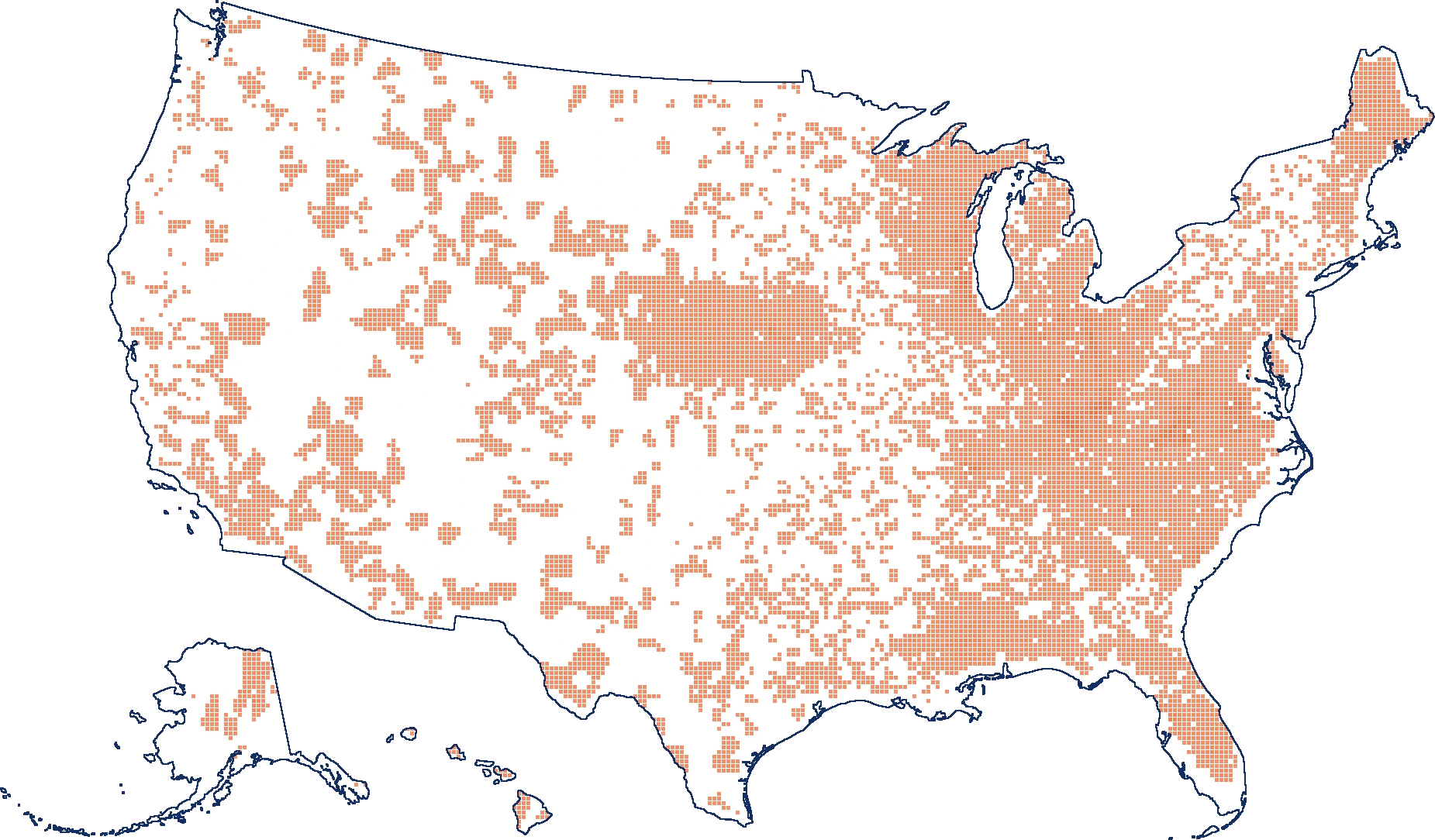
Frequently asked questions
How does OncoLens identify oncology clinical trial sites?
Through the OncoLens Research Network: 225+ cancer center locations, roughly 90% community-based, spanning Phase 1 to 4 studies, CAR-T, RLT and specialized therapies, with feasibility-based connections and direct introductions to centers and principal investigators.
What does “feasibility-based” mean in site identification?
Centers and PIs are matched based on demonstrated fit for a specific protocol and patient population, rather than surfaced from a generic directory, so outreach goes to sites with a real chance of activating and enrolling.
How does the patient pre-screening work?
Oncology-focused AI reviews patient data against trial eligibility criteria and surfaces likely candidates through turnkey dashboards and personalized alerts, with a human in the loop confirming every match before contact.
What analytics come back from the pre-screening process?
Reporting on key trial stats, including the number of patients deemed medically eligible, the number declined, and the reasons for decline, giving visibility into where a trial gains or loses candidates.
Is this only useful for large academic medical centers?
No. Because the network is roughly 90% community-based, site and patient identification reaches populations and centers that an academic-only approach would miss.
Find your next patient or site
Bring your protocol. OncoLens will show you which centers fit it, which patients screen in, and what the analytics say about both.